


5% dividend and billions in buybacks. Yet the company remains off investors' radar.

The insurance giant with more than $1.6 trillion in assets under management pays a dividend yield of around 4.6% and returns over a quarter billion dollars to shareholders every quarter in stock buybacks. The combined capital return thus exceeds 7% of the company's market value without the market talking much about it.
Key points
The dividend yield is around 4.6%, and the company has increased it for 18 consecutive years, most recently by 4% in February 2026.
Stock buybacks run at a constant pace of $250 million per quarter, regardless of where the stock price happens to trade.
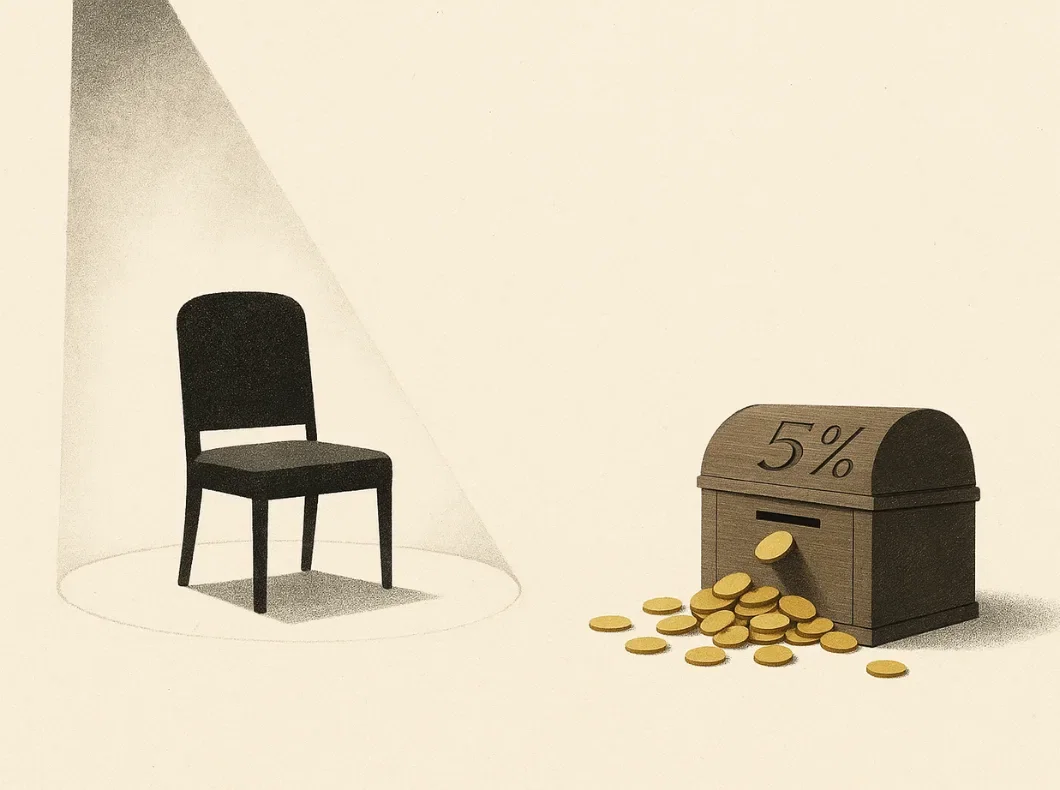
The combined yield from dividend and buybacks approaches 7% annually, roughly double what the dividend yield alone shows.
The stock trades around 1.2 times adjusted book value and under 8 times adjusted operating earnings, near the cheaper end of the sector, but not at its absolute bottom.
The international business is going through a temporary sales suspension in Japan, which is estimated to reduce this year's pre-tax profit by $525 to $575 million.
The insurance and investment group with more than $1.6 trillion under management pays shareholders a dividend whose yield has long been above 4%. It also adds buybacks at a pace of roughly a billion dollars annually, year after year, regardless of how the stock price develops. The combination of both tools returns over 7% of the company's market value to shareholders in a single year.
Such capital return would generate enthusiastic headlines for a technology company. For this company, it has largely gone unnoticed. Investor attention in recent quarters has gone elsewhere: to banks benefiting from high interest rates, to property and casualty insurers with record profitability, or to asset managers profiting from rising equity markets. A life insurer with a complicated history of variable annuities and international exposure to Japan does not fit among them.