


Market celebrated bad news | Weekend Intelligence #32

The week began with nervousness in the bond market and more expensive oil due to tensions around the Strait of Hormuz, but ended with a turnaround after weaker data from the U.S. labor market. In Europe, inflation surprised and reminded that the debate on rates is far from over. Among individual names there were plenty of stories - from Boeing's certification troubles to a production pause at Stellantis.
Weekend Intelligence is an exclusive analytical report published once a week and available only to Bulios Black members. Members receive it automatically every Saturday morning by email - in full length, including specific scenarios and market implications. Permanent access to the report is obtained through Bulios Black membership.
Key points
Why Micron's record quarter ends up in the price tag of Google's new phone
What the jump in eurozone inflation to 3.8 percent means for the ECB's room for maneuver and European banks
How deep Nike's troubles in China go and what the Pace cost-saving program is supposed to fix
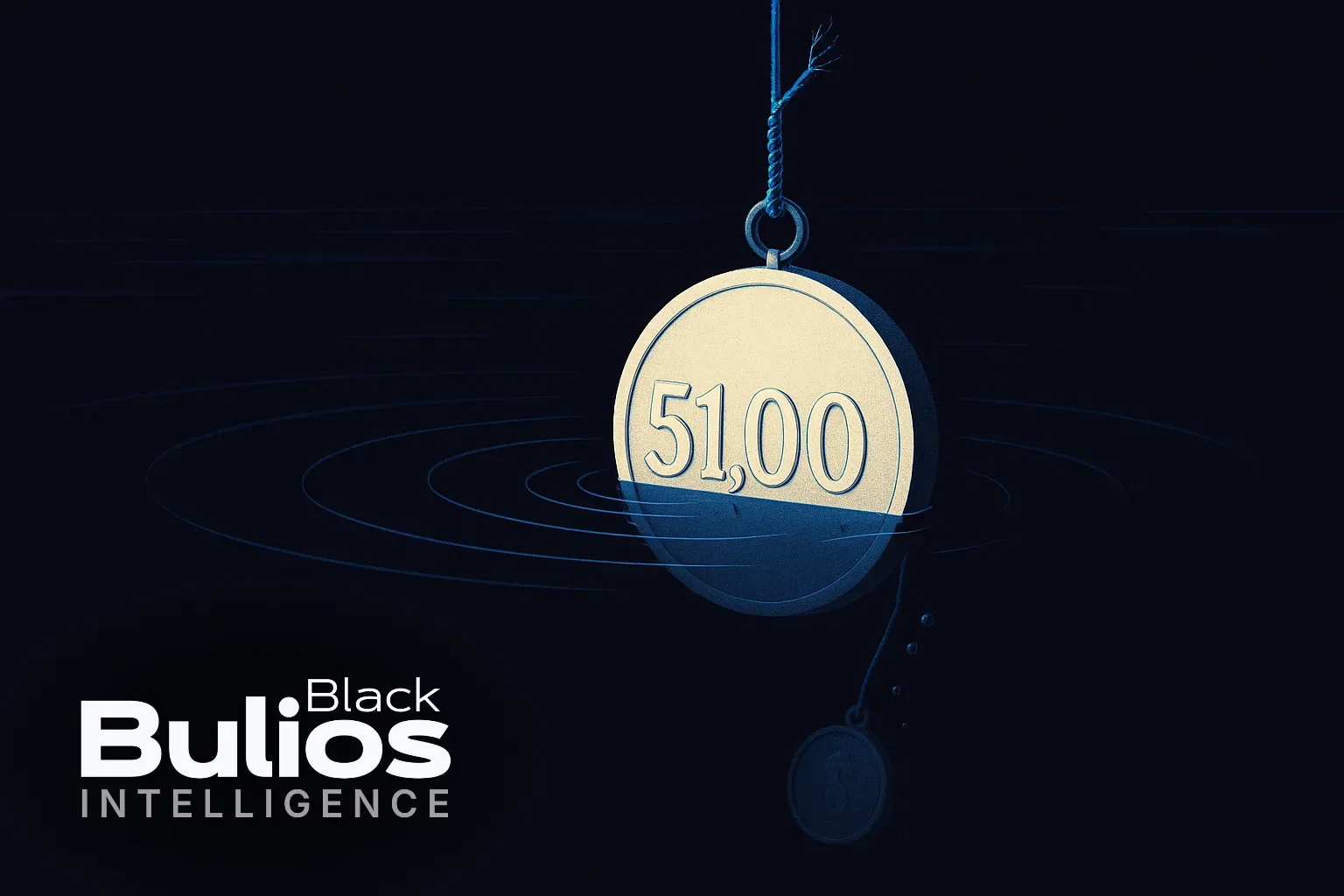
What turned market sentiment around in the U.S. on Friday after bond yields sent the Dow below 51,000 points
Why the Fed minutes and PepsiCo results are key in an empty week as a consumer test
Micron: revenue of $54.2 billion and guidance of $61.5 billion - memory prices are shifting into end prices
On September 30, Micron reported fourth fiscal quarter revenue of $54.23 billion against expected $51.07 billion and adjusted earnings of $33.42 per share against consensus of $31.61. Year-over-year, that's almost fourfold. Two days later, Google raised the price of the Pixel 10a by $100, citing memory costs. There is a direct line between those two events.
More important than the past quarter is the guidance: Micron expects revenue around $61.5 billion against consensus of $56.8 billion, i.e., $4.7 billion more, and earnings of roughly $38.15 per share versus estimated $36.02. Such a large difference against consensus does not mean analysts misjudged volumes. It means they misjudged prices.
Memory is a commodity business with short supply elasticity - new capacity takes years to build, while demand for data center memory shifted abruptly this year. Micron's above-normal profit is not made on bits shipped, but on average selling prices, which CLSA explicitly noted when confirming an Outperform rating with a target price of $1,700.
On the other side of the trade are all those who buy memory. Data center operators absorb it for now, because AI capacity returns to them in service prices. Consumer electronics makers do not have that option - their products have fixed price points and margins in the low single digits for cheaper models.
Hence Google's move. The Pixel 10a with 128 GB now costs $599, the 256 GB version rose from $599 to $699, effective October 2 and not only in the Google Store, but also at Amazon and Best Buy. A price increase on a seven-month-old phone mid-lifecycle is unusual in this segment; companies usually prefer to quietly trim specifications.
Historically, memory cycles end the same way: high margins attract investment in capacity, new supply arrives with a two-to-three-year lag, and prices fall faster than they rose. The difference in today's cycle is in demand structure - AI capacity is ordered years ahead, not according to consumer electronics seasonality.
Two things matter for the next direction: whether production capacity additions accelerate and whether the Pixel 10a price increase remains isolated or is repeated by other end-device makers. A second wave of price increases would confirm that memory costs can no longer be absorbed in margins - and would also be the first indication of where device demand starts to break.
Eurozone inflation at 3.8%: ECB lost room and European banks took the first hit
The flash estimate of eurozone inflation for September, published on October 2, showed a year-over-year price increase of 3.8% - the highest since September 2023 and more than economists had expected. The main driver was energy costs. European stocks closed at a three-month low as government bond yields surged and banks took the hardest hit.